This information is for educational purposes. Keyboard work involves small parts, soldering irons, and electronics — work in a ventilated space when soldering, unplug boards before opening them, and modding a board may void its warranty. When in doubt, check the manufacturer's documentation first.
PBT keycaps resist shine and feel textured; ABS keycaps feel smooth, take brighter colors, and polish to a gloss on your most-used keys within months. That single trade-off — longevity versus colorway — settles most of this argument before you ever get to sound. After a year with both plastics on boards I type on daily, my honest verdict is PBT for anything you want to look new long-term, ABS only when a specific premium colorway is the entire point.
Both plastics make excellent keycaps; this is not a quality ranking. It is a question of which compromise you would rather live with, because every set forces one. Let me walk the differences the way they actually show up under your fingers, not the way a product page frames them.
The Core Difference: Texture and Shine
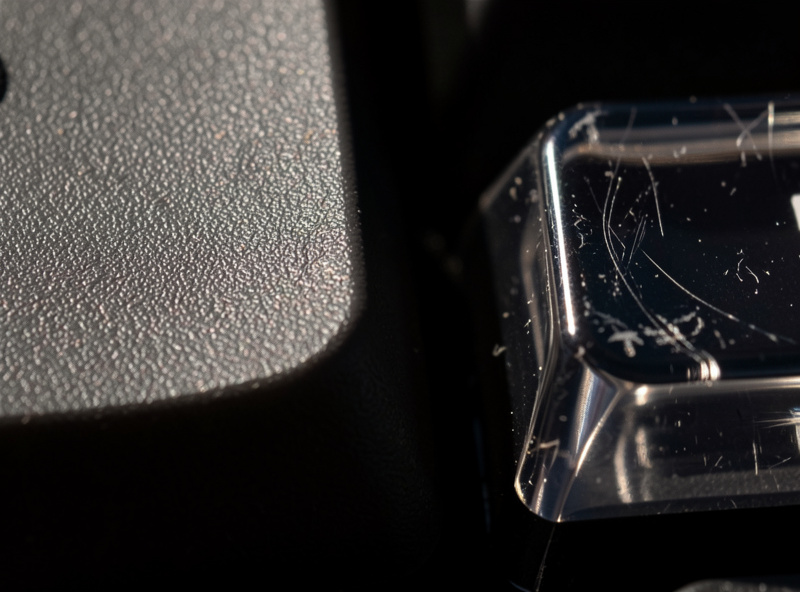
PBT has a slightly rough, dry surface that resists the greasy shine of wear; ABS is smoother out of the box and develops a glossy polish where your fingers rest most. That shine is not dirt and it does not wipe off — it is the smoother ABS plastic being buffed by your skin over thousands of keystrokes, concentrated on keys like E, A, and the spacebar. PBT’s texture spreads and hides that wear, so it stays visually consistent far longer.
I can show you this on my own desk. My ABS GMK-class set has a visibly shinier E and spacebar after a year of daily use, while my PBT Cherry dailies look identical to the day they arrived. Neither bothers me because I bought each knowing what would happen. The mistake is buying ABS expecting PBT longevity, then feeling cheated when the shine arrives exactly on schedule.
| Property | PBT | ABS |
|---|---|---|
| Surface texture | Slightly rough, dry | Smooth |
| Shine over time | Resists strongly | Polishes within months |
| Color vibrancy | Good, slightly muted | Brightest, most saturated |
| Heat resistance | High | Lower |
| Sound character | Deeper, drier | Sharper, more present |
| Premium colorways | Fewer | Most (GMK, etc.) |
Sound: The Difference Is Real but Smaller Than People Claim
PBT tends to sound a touch deeper and drier, ABS a touch sharper and more present — but wall thickness and profile move the sound far more than the plastic does. The internet credits PBT for “thock” and ABS for “clack,” and there is a grain of truth, but a thick ABS set will out-thock a thin PBT set every time. The plastic is a minor contributor, not the headline.
When I A/B these on my sound rig — same board, same switches, same mic and distance — the plastic difference is audible but subtle, the kind of thing you notice in a direct comparison and forget in normal use. Anyone selling you a set on “PBT sounds better” alone is overselling. Buy for shine resistance and colorway; treat the small sound difference as a bonus, not a deciding factor.
To put a number on it: when I swapped a thin ABS stock set for a thick doubleshot PBT set on the same board, the pitch dropped enough to be obvious on the recording — but when I held thickness constant and changed only the plastic, the shift was small enough that I had to listen twice to be sure. That tells you where to spend attention. Wall thickness, which almost no listing prints, is the lever that actually moves sound; the PBT-versus-ABS line is a tiebreaker at best. I have a thick PBT set and a thick ABS set that sound nearly identical, and a thin and thick PBT pair that sound like two different boards.
Color and Legends: Where ABS Pulls Ahead
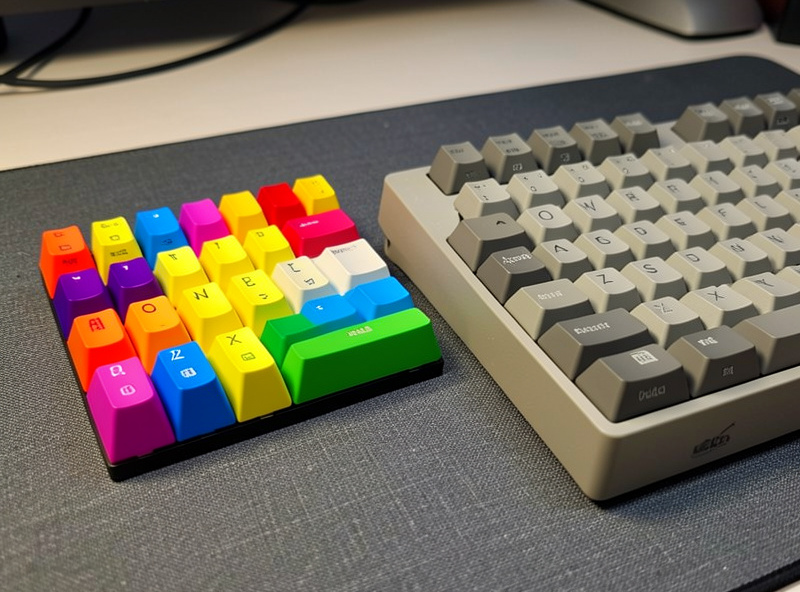
ABS takes brighter, more saturated colors and pairs naturally with doubleshot legends, which is exactly why most premium and exotic colorways are ABS. If you have fallen for a specific GMK-style set, it is almost certainly ABS, and there may be no PBT equivalent of that exact look. The colorway you want can make the plastic decision for you.
PBT colors are good but tend slightly muted, and PBT legends are usually dye-sublimated or doubleshot with a narrower palette. For clean, classic looks PBT is more than enough; for bold, exotic, or designer colorways, ABS is where the selection lives. This is the one axis where ABS clearly wins, and for some buyers it is the only axis that matters.
Cleaning, Maintenance, and Heat
Both plastics wash the same way, but PBT tolerates heat that warps ABS — which matters more than it sounds. Keycaps get cleaned with warm soapy water and a dry, and that routine is identical regardless of plastic. The divergence shows up with heat: leave ABS caps in a hot car or too close to a heat source and they can deform, while PBT shrugs it off. It is a rare scenario, but it has ended more than one travel keyboard’s good looks.
One honest note on the shine question: people ask whether you can polish ABS shine away, and the realistic answer is no, not durably. You can buff or sand it briefly, but it returns because the cause — your own typing — never stops. I have tried; it is not worth the effort. If shine bothers you, the fix is buying PBT next time, not fighting chemistry on the set you already own. Maintenance keeps caps clean; it does not reverse the wear that defines the ABS-versus-PBT trade in the first place.
Price and Value: What Each Plastic Actually Costs
In-stock PBT sets cluster around $25 to $50, while the premium ABS sets people chase routinely run $100 to $140 and ship months later through a group buy. That gap is not a quality gap — it is a colorway-and-exclusivity gap. The cheapest PBT set on a clean board will look new longer than the most expensive ABS set, which is the part the price tag inverts.
Where ABS earns its premium is selection and resale: a desirable ABS colorway holds value, so an expensive set you tire of is closer to a loan than a loss. PBT rarely commands that aftermarket. So the honest value math is this — buy PBT if you want the most look-new typing per dollar, and buy ABS only when the specific colorway is worth the premium and the wait to you. I have spent both ways and never regretted a PBT purchase on cost; the only ABS sets I second-guessed were the ones I bought for the render and not the color I actually wanted on my desk every day.
Which Should You Buy?
Buy PBT for a daily set you want looking new in a year; buy ABS when a specific premium colorway is the reason you are shopping in the first place. For a first upgrade, PBT is the lower-regret choice — it is cheaper in-stock, it resists shine, and it covers the classic looks most people actually want. ABS is the enthusiast’s deliberate splurge for a colorway nothing else replicates.
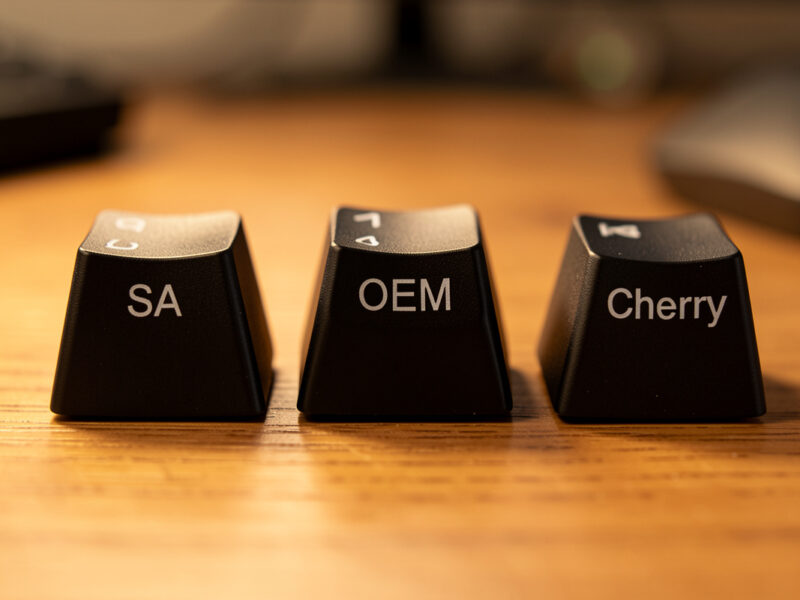
If you want one set to live on your everyday board, go PBT and do not overthink it. As an Amazon Associate I earn from qualifying purchases. A textured PBT keycap set is the safe daily; if a bold colorway is calling you instead, a doubleshot ABS set delivers the saturation PBT can’t — just expect the shine and enjoy it. For the full picture on profile choices alongside material, the complete keycap guide ties both decisions together, and the SA vs OEM vs Cherry comparison covers the shape side.
Frequently Asked Questions
Is PBT or ABS better for keycaps?
PBT is better for longevity because it resists the shine that ABS develops on high-use keys within months, and it is more textured and heat-resistant. ABS is better for bright, saturated, premium colorways. For a daily set you want looking new, choose PBT; for a specific exotic colorway, choose ABS.
Why do ABS keycaps get shiny?
ABS is a smoother plastic that polishes where your fingers rest most, usually on keys like E, A, and the spacebar, within a few months of daily use. The shine is the surface being buffed by skin oils and friction; it does not wipe off and is not caused by dirt.
Does PBT really sound better than ABS?
Slightly. PBT tends to sound a touch deeper and drier and ABS a touch sharper, but keycap wall thickness and profile affect sound far more than the plastic type. A thick ABS set will sound deeper than a thin PBT set, so do not buy on plastic for sound alone.
Are GMK keycaps ABS or PBT?
GMK keycaps are doubleshot ABS. That is why they offer bright, saturated colorways and why the most-used keys develop shine over time. If you want a GMK-style premium colorway, you are buying ABS and should expect that trade-off.
Will PBT keycaps last longer than ABS?
Visually, yes. PBT keeps its look far longer because its texture resists the shine ABS develops within months. Both plastics are durable structurally, but if your concern is keeping a set looking new over years of daily typing, PBT is the clear choice.