This information is for educational purposes. Keyboard work involves small parts, soldering irons, and electronics — work in a ventilated space when soldering, unplug boards before opening them, and modding a board may void its warranty. When in doubt, check the manufacturer's documentation first.
Silent switches keyboard builds trade a crisp bottom-out for a quiet one — rubber or silicone dampeners inside the switch absorb the impact at both the top and bottom of the keystroke, cutting noise noticeably at the cost of a mushier landing. They are the right answer for shared offices, late-night typing, and open-mic calls, and the wrong answer for anyone who lives for a sharp, defined bottom-out.
I keep a set of silent linears for exactly one situation: typing at night next to a sleeping household, where my normal clacky board is a problem. The honest truth most reviews skip is that “silent” is a real trade, not a free upgrade — you give up feel to gain quiet. This is the build-honest breakdown of what silent switches actually change, how much quieter they really are, and who should and should not buy them.
What Are Silent Switches?
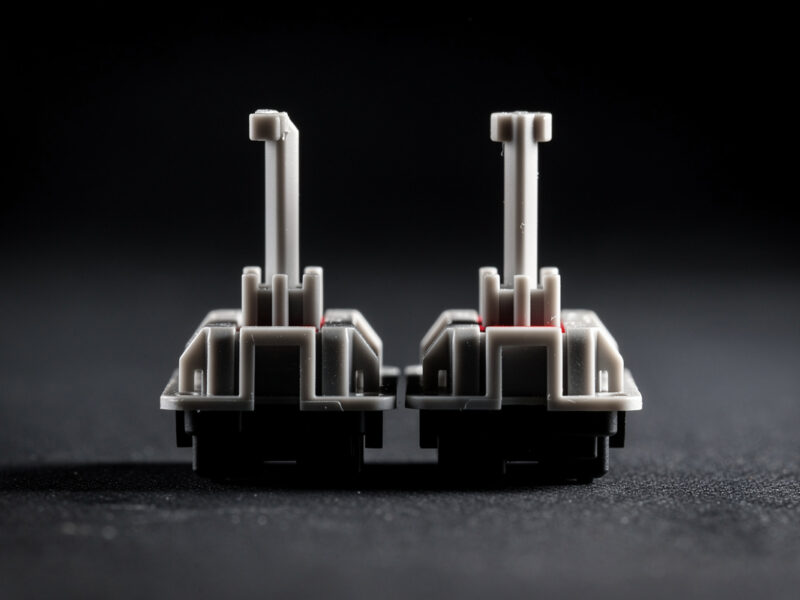
Silent switches are mechanical switches with built-in dampeners — small rubber or silicone pads on the stem — that cushion the impact where the stem meets the housing at the top and bottom of travel. This muffles the two loudest events in a keystroke: the bottom-out thud and the top-out return. Actuation force stays normal (commonly around 45g), but total travel is often slightly reduced to around 3.5mm because the dampener takes up space.
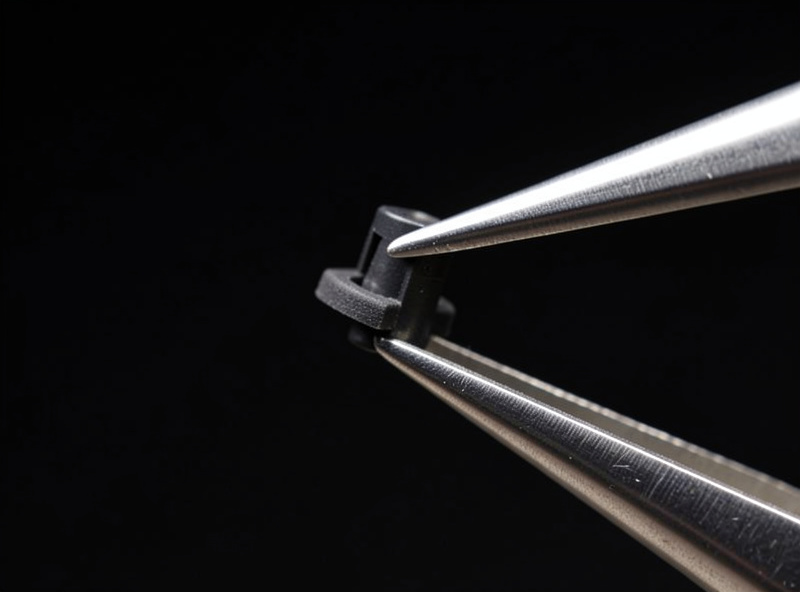
The first time I pulled a silent linear apart on my bench, the difference from a normal switch was obvious: tiny rubber pads molded onto the stem where a standard stem is bare plastic. That rubber is the whole mechanism. It is also why silent switches feel different — your finger lands on cushioned rubber instead of solid plastic-on-plastic, and that softer landing is exactly the trade-off people either love or hate.
How Much Quieter Are Silent Switches?
Silent switches noticeably reduce keyboard noise, especially the sharp bottom-out clack, though they do not make a keyboard truly silent — you still hear the spring, the keycap, and a softened thud. Recorded on the same mic at the same distance, a silent linear is clearly quieter than its non-silent twin, with the high-frequency “clack” most affected and the lower body of the sound only partly reduced.
People expecting library silence are usually disappointed; people expecting a meaningful drop in the most annoying part of the noise are usually happy. On my controlled rig — one mic, one distance, one desk — the biggest change is that the sharp attack of each keystroke softens into a duller thump. If your goal is not waking someone in the next room, silent switches plus a foam-modded case get you most of the way. If your goal is a recording-studio-quiet board, no switch alone delivers that, and chasing it through switches alone is a money pit.
What Do You Give Up With Silent Switches?
You give up the crisp, defined bottom-out that many enthusiasts consider the best part of a switch — the dampeners make the landing feel softer and slightly mushy, and they mute the deep sound that long pole and standard switches are prized for. The slightly shorter travel and cushioned feel are polarizing: some find them pleasantly soft, others find them vague and lifeless compared to a clean bottom-out.
I am firmly in the “miss the bottom-out” camp for my daily typing, which is why my silent set is a situational tool rather than a main board. The mushiness is most noticeable to hard bottom-out typists who relied on that firm wall for rhythm — take it away and the keystroke can feel like it ends in foam. Light floaters who never slammed the floor anyway barely notice the loss. Whether the trade is worth it comes down entirely to how much you valued the bottom-out you are giving up.
One thing I wish more buyers knew: silent switches vary a lot in how good the dampener is, more than normal switches vary among themselves. A well-engineered silent switch tunes the rubber so the landing is soft but still defined; a cheap one feels like typing into a pillow, vague and dead. The difference is the durometer and placement of those tiny pads, which no spec sheet prints, so this is one category where buying the better-known silent lines pays off and bargain-bin silent switches disappoint. I have a budget silent set in the drawer that I almost never reach for precisely because the dampener killed too much feel — proof that “silent” alone is not a quality grade. If you are going to give up bottom-out feel on purpose, give it up to a switch that dampens cleanly rather than one that just deadens everything.
Silent Switches vs O-Rings: Which Quiets a Keyboard Better?
Silent switches and rubber o-rings both reduce bottom-out noise, but they work differently and feel different. O-rings are small rubber rings you slip onto each keycap stem, cushioning the keycap against the switch housing on bottom-out; silent switches build the dampening into the switch itself. Silent switches dampen both top-out and bottom-out and feel more integrated, while o-rings only soften the bottom and add a distinct rubbery feel that many typists dislike.
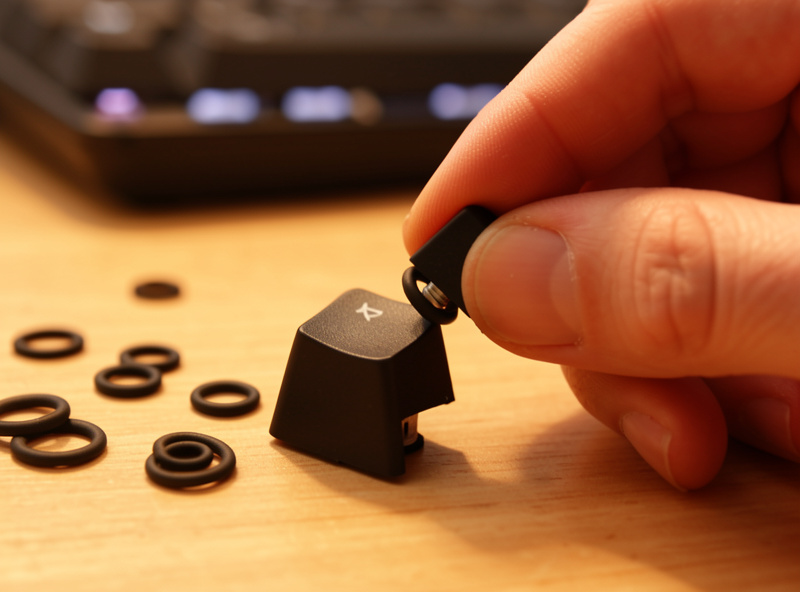
Having run both, I reach for silent switches when I want the cleaner result and o-rings only when I want a quick, reversible experiment on a board I already own without buying a new set of switches. O-rings are cheap and removable, which makes them a fine way to test whether a quieter bottom-out is even what you want before committing to silent switches. But they cap the keystroke short and can make typing feel spongy in a way that bothers more people than the dampeners inside a proper silent switch do. If quiet is a permanent requirement, silent switches are the better long-term answer; if you are just curious, o-rings cost almost nothing to try first.
Can You Lube Silent Switches?
Yes, and lubing silent switches helps a lot, but you must be careful around the rubber dampeners — keep grease off the rubber itself and lube only the rails and spring, because oil can degrade some dampener materials over time and lube on the pads does nothing useful. A properly lubed silent linear loses its scratch and spring ping while keeping its quiet, dampened landing, which is the best version of a silent switch.
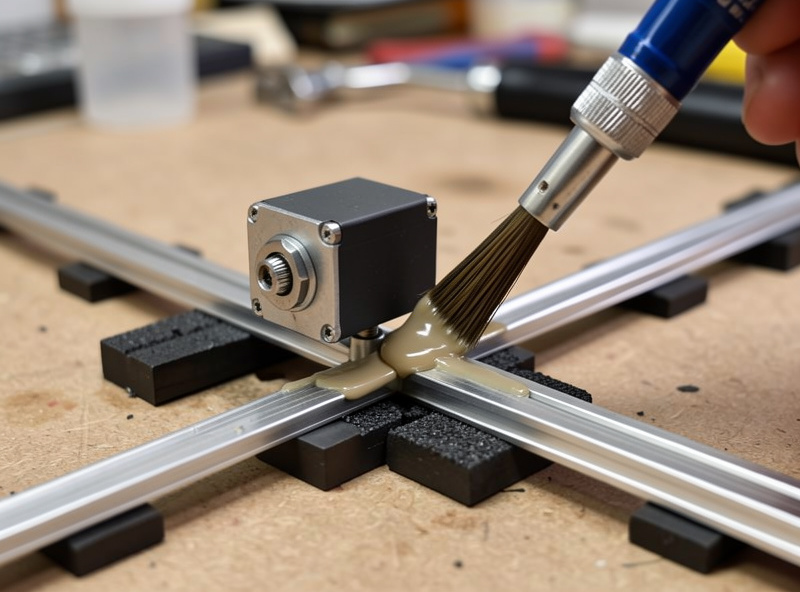
On my lube station I treat silent switches as a slightly fussier job: same thin coat on the rails as any linear, a touch of spring lube to kill ping, and deliberate care to avoid smearing grease onto the dampener pads. The payoff is real — a stock silent switch can feel both mushy and scratchy, which is the worst of both worlds, while a lubed one feels smooth and quiet. If you are buying silent switches, plan to lube them or buy a version that is already smoothly tuned, because the stock scratch undercuts the whole quiet-and-pleasant goal. One more reason to keep oil off the pads: the dampeners are the part of a silent switch most likely to change over time, and a switch whose rubber has been slowly softened by stray lube is a switch that gets mushier the longer you own it. I have not had a cleanly lubed silent set noticeably degrade on me, but I am deliberate about it precisely because the dampener is the one component you cannot easily replace without buying new switches.
As an Amazon Associate I earn from qualifying purchases.
Frequently Asked Questions
Do silent switches really make a keyboard quiet?
Silent switches noticeably reduce noise, especially the sharp bottom-out clack, but they do not make a keyboard truly silent. You still hear the spring, keycap, and a softened thud. They cut the most annoying high-frequency part of the sound rather than eliminating noise entirely.
Do silent switches feel worse than normal switches?
They feel softer and slightly mushy at the bottom because rubber dampeners cushion the impact, which some people dislike and others prefer. Hard bottom-out typists tend to miss the firm, defined landing most. Light floaters barely notice the difference, so it depends on your typing style.
Are silent switches good for an office?
Yes, silent switches are one of the best options for a shared office because they cut the sharpest, most distracting part of typing noise. Combined with a foam-modded case, they make a mechanical keyboard far less likely to bother coworkers, though they will not be completely inaudible.
What travel do silent switches have?
Silent switches often have slightly reduced travel, around 3.5mm instead of the standard 4.0mm, because the rubber dampener takes up space at the bottom of the keystroke. Actuation force usually stays normal, commonly around 45 grams, so only the landing distance and feel change.
Can you lube silent switches?
Yes, and it helps, but keep grease off the rubber dampeners and lube only the rails and spring. Oil can degrade some dampener materials and does nothing useful on the pads. A lubed silent linear keeps its quiet landing while losing the stock scratch and spring ping.