This information is for educational purposes. Keyboard work involves small parts, soldering irons, and electronics — work in a ventilated space when soldering, unplug boards before opening them, and modding a board may void its warranty. When in doubt, check the manufacturer's documentation first.
Every few months someone in a build thread asks whether the Holee mod is still worth doing, and the answer I give hasn’t changed: the Holee mod is worth it only when grease alone won’t kill the wire tick — which, with modern stabilizers and good dielectric grease, is rarer than it used to be. I’ve done the Holee mod on enough boards to have strong opinions about when it earns its eye strain and when it’s just hobby masochism. Here’s the honest verdict for 2026.
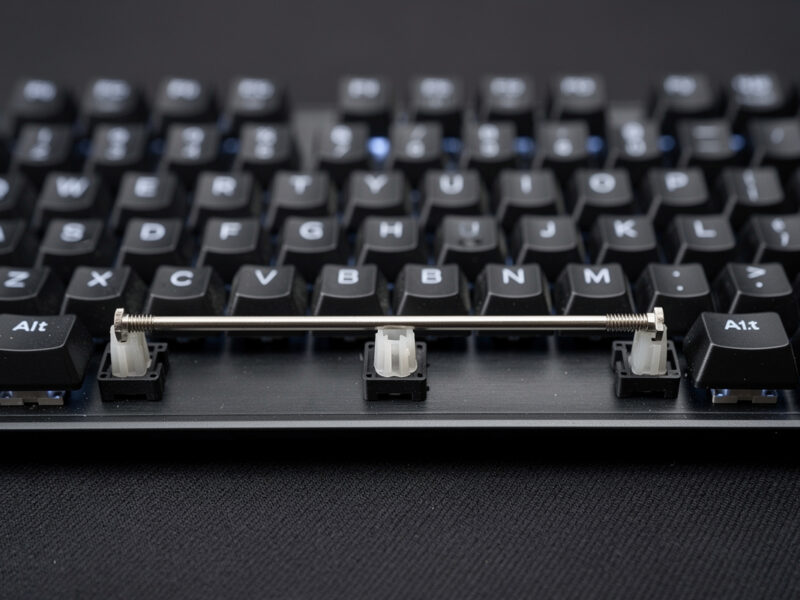
If you’re not sure what’s even causing your rattle yet, start at the stabilizer tuning guide to diagnose it, or the step-by-step rattle fix to try grease first. The Holee mod is an escalation, not a starting point.
What the Holee mod actually is
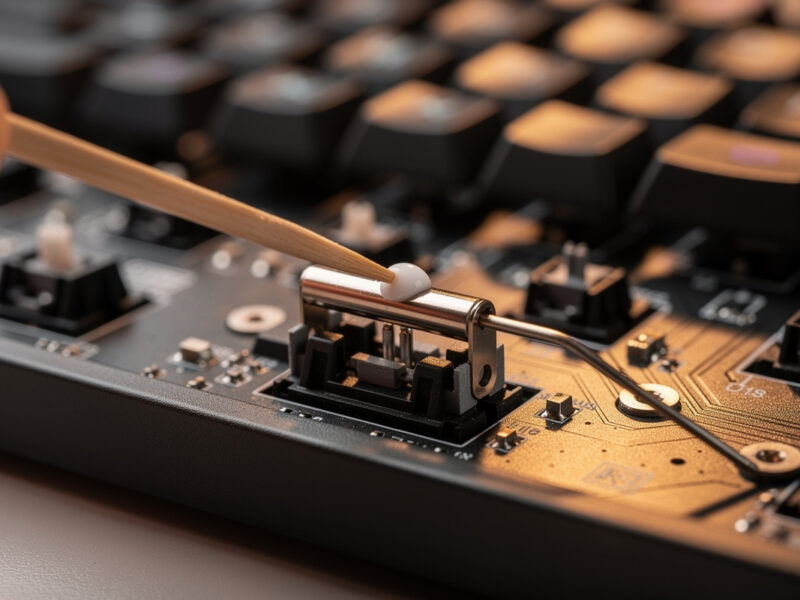
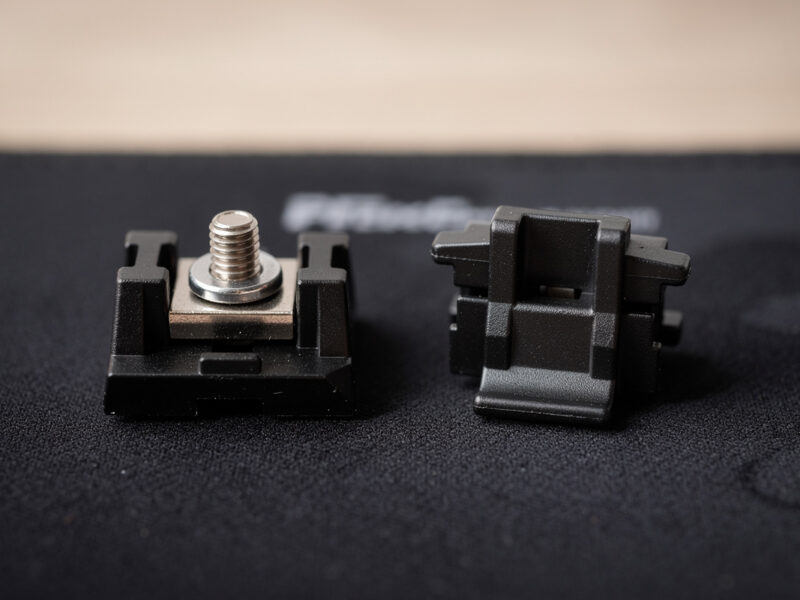
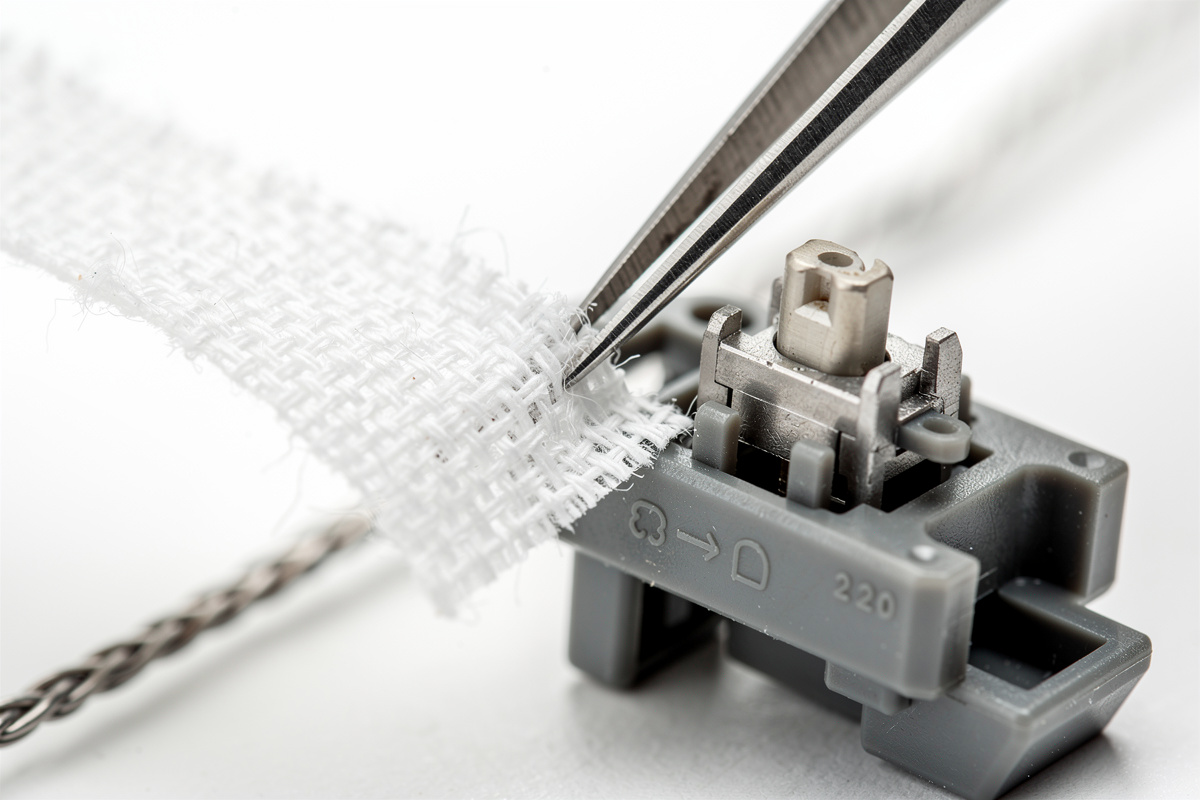
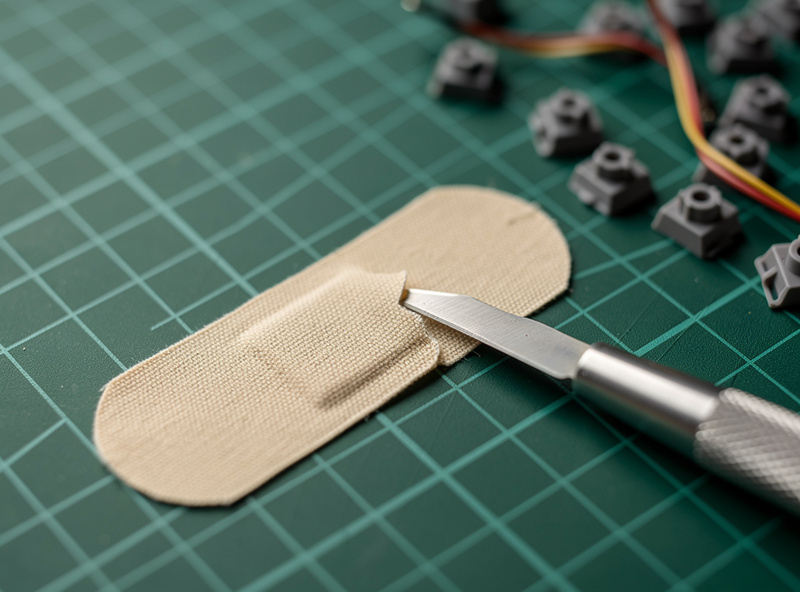
The Holee mod takes a tiny sliver of fabric bandage — cut to maybe a couple of millimeters — and stuffs it inside the stabilizer stem’s wire channel, so the metal wire end is permanently cushioned by fabric instead of riding on bare plastic or grease. The fabric grips the wire, eliminating the metal-on-plastic tick at its source and holding the wire snug so it can’t rattle in the channel. It’s named after the forum user who popularized it, and at its peak it was the gold-standard fix for wire tick.
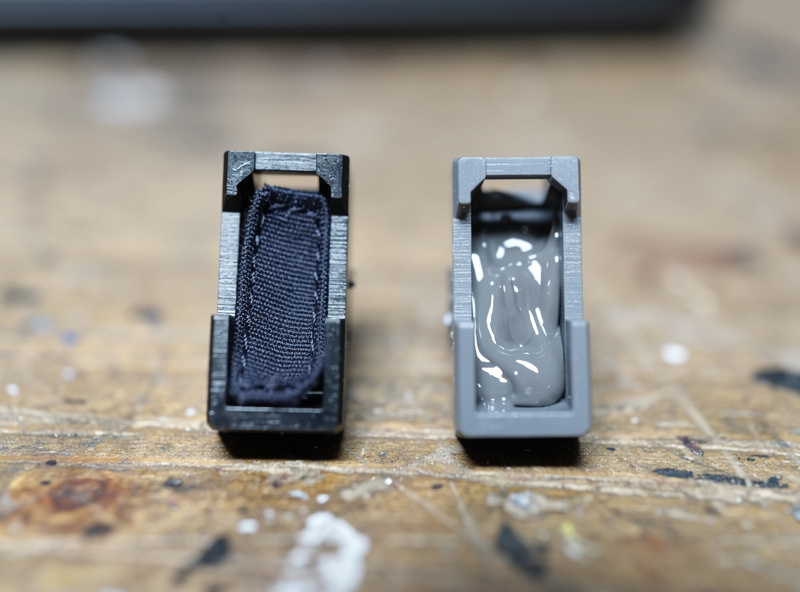
Mechanically it does the same job as packing the channel with thick dielectric grease — cushion the metal-plastic contact — but it does it with a physical pad that never migrates, never thins, and never needs redoing. That permanence is the whole appeal. The cost is the fiddliness: you’re cutting fabric to a sliver and tweezering it into a channel a couple of millimeters wide, on every stem, under good light, ideally with magnification.
Holee mod vs the grease-only fix
Here’s the comparison that actually decides it for most people:
| Factor | Holee mod | Thick wire grease |
|---|---|---|
| Kills wire tick | Yes, at the source | Yes, by cushioning |
| Permanence | Permanent, never migrates | Can thin/migrate over time |
| Difficulty | High (tweezers, magnification) | Low |
| Time per stem | Several minutes, fiddly | Under a minute |
| Risk of doing it wrong | Pad too big = binding wire | Minimal |
| Reversible | Yes, pull the pad out | Yes, wipe and re-grease |
The verdict in one line: do the grease fix first. With a good thick dielectric grease, the grease-only approach kills wire tick on the large majority of stabilizers I’ve tuned, in a fraction of the time, with almost no risk. The Holee mod is for the stubborn minority where grease quiets the tick but it creeps back, or where you want a set-and-forget board you’ll never re-open.
When the Holee mod still earns its place
- A board you never want to re-tune. Because the fabric never migrates, a Holee-modded stab can stay silent for years. For a daily driver you want to forget about, that permanence is genuinely worth the hour.
- Stabilizers with sloppy wire channels. Some cheaper stems have channels loose enough that grease alone leaves the wire room to rattle. The fabric pad takes up that slack physically.
- Wire ring that grease won’t kill. If you’ve greased the wire and still hear a metallic ring tail, the snug fabric grip damps the resonance better than grease can.
When to skip it
- Modern good stabilizers. A decent screw-in set with tight channels rarely needs more than grease. Doing the Holee mod on top is gilding the lily.
- If you’re new. The failure mode — a pad cut too large — makes the wire bind and the key feel sluggish or stick. Get comfortable with grease first.
- If you value your eyesight on a weeknight. I’m only half joking. The fiddliness is real, and the marginal gain over good grease is small on a quality stab.
- Fabric bandages (the Holee material)
- Fine-tip precision tweezers
- Thick dielectric grease (try this first)
How I do it when I do it
If you’ve decided the board warrants it: cut a sliver of fabric bandage just narrower than the wire channel and roughly the channel’s depth. With fine tweezers, tuck it into the channel so the wire end will press into it when seated. Test-fit the wire — it should seat fully with light resistance, not jam. If the wire binds or the stem feels stiff, your pad is too big; trim it. Then proceed with the rest of your normal tune: housing lube, reassemble, test. Do one stem, confirm the feel is right, then do the rest to match.
One thing I learned the hard way: do the Holee mod instead of heavy wire grease, not on top of a greased wire. The fabric needs to grip the wire; a wire slick with grease slides in the fabric and you lose the snug hold that makes the mod work. A trace of housing lube is fine, but keep the wire-and-fabric interface clean.
A word on the variations you’ll see
People have invented a dozen tweaks on the original — different fabric types, the “dielectric grease plus a fabric pad” hybrid, even thin strips of bandage wrapped around the wire instead of pushed into the channel. I’ve tried most of them on my reference budget board and recorded the results. The honest finding: the differences between the variations are smaller than the difference between doing the mod well and doing it sloppily. A clean grease fix beats a sloppy Holee mod; a clean Holee mod and a clean grease fix sound the same on my mic. Technique dominates the choice of method. So don’t chase the perfect variation — pick the one that suits your patience and execute it cleanly.
The honest 2026 verdict
The Holee mod is a great technique that the hobby has mostly outgrown. Stabilizer quality has risen, thick dielectric greases are cheap and excellent, and for nine boards out of ten the grease fix is faster, safer, and indistinguishable in the resulting sound on my recordings. Keep the Holee mod in your back pocket for the stubborn stab and the forever-board. For everything else, grease the wire, lube the housing, and go enjoy typing.
Frequently asked questions
Is the Holee mod still worth it in 2026?
For most builders, no. Modern stabilizers and good thick dielectric grease kill wire tick faster and more safely than the Holee mod, with near-zero risk. The mod still earns its place on stabilizers with sloppy wire channels, on a daily driver you never want to re-tune, or when grease alone will not fully silence the tick.
What is the difference between the Holee mod and lubing stabilizers?
Both cushion the metal wire against the plastic stem channel. The Holee mod uses a permanent fabric pad that never migrates; grease uses a thick dielectric film that can thin over time. The mod is more permanent but far fiddlier to install. Do the grease fix first; reach for the Holee mod only if the tick comes back.
Can the Holee mod ruin my stabilizers?
It can make them feel bad if you cut the fabric pad too large, which causes the wire to bind and the key to feel sluggish or stick. It is reversible, though, so you can pull the pad and try again. Test-fit one stem before doing the whole set.
Do I still grease the wire if I do the Holee mod?
No, not the wire itself. The fabric needs to grip the wire, and a greased wire slides in the fabric and loses the snug hold. Keep the wire-and-fabric interface clean. You can still lightly lube the housing where the stem slides.
What material do you use for the Holee mod?
A small sliver cut from a fabric adhesive bandage, the woven cloth kind rather than the smooth plastic kind. The woven fabric grips the wire and damps the tick. Cut it just narrower than the wire channel so it seats without binding the wire.